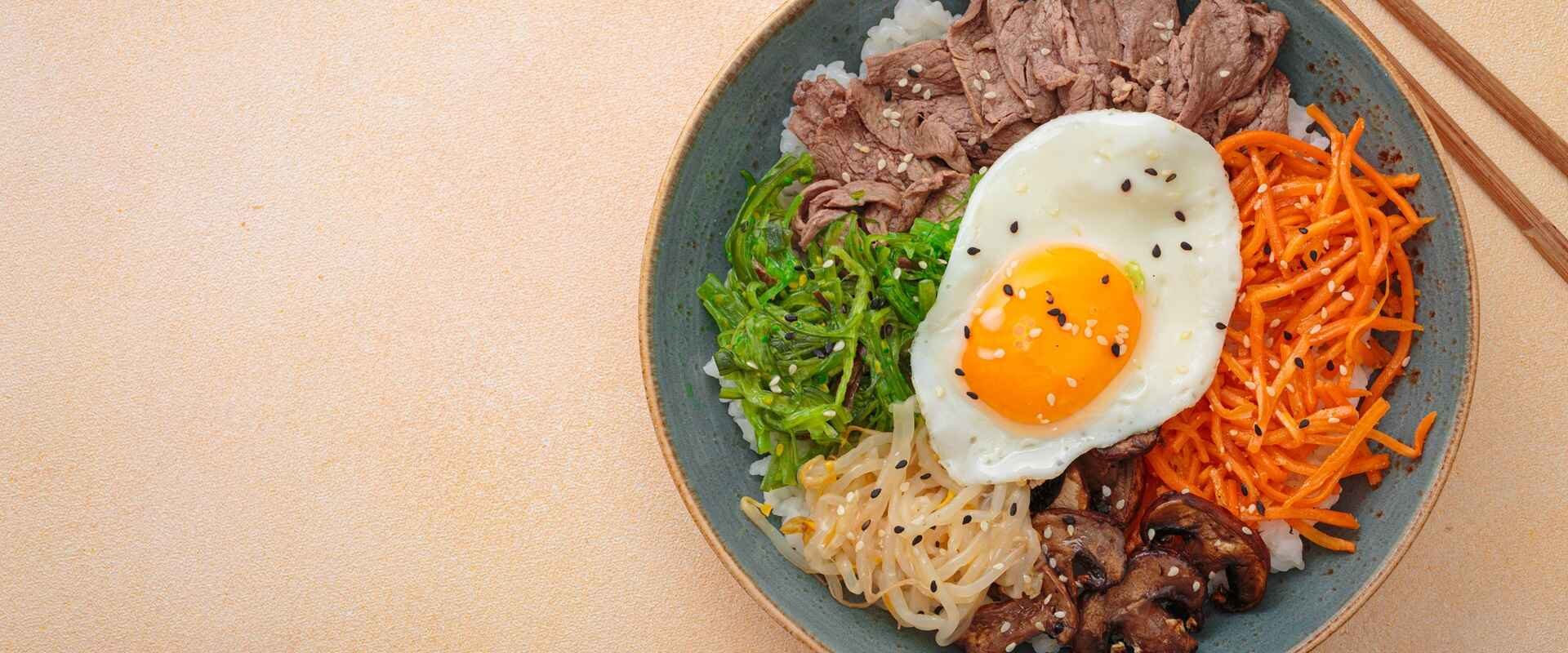
Eating well is important at every stage of life, but as we grow older, our nutritional needs can change significantly. Changes in appetite, mobility, health conditions and daily routines can all affect how much we eat and drink. For older adults, maintaining good nutrition is not simply about eating healthily; it is an essential part of preserving independence, strength and overall wellbeing.
How Ageing Affects Nutrition
As we age, our bodies undergo natural changes that can influence our relationship with food. Our sense of taste and smell may become less sensitive, while certain medications or health conditions can reduce appetite.
Some older adults may also find preparing meals more challenging due to reduced mobility, fatigue or difficulties with everyday tasks.
These factors can increase the risk of malnutrition, which can contribute to muscle weakness, reduced immunity and slower recovery from illness.
The Importance of Staying Hydrated
Hydration is another important aspect of healthy ageing that is sometimes overlooked. Older adults may experience a reduced sense of thirst, meaning they might not always recognise when they need to drink.
Dehydration can contribute to tiredness, dizziness, confusion and an increased risk of falls. Encouraging regular drinks throughout the day, alongside foods with a high water content, can help maintain healthy hydration levels.
For those receiving care at home, gentle reminders and support with preparing drinks can make a meaningful difference.
The Social Side of Mealtimes
Food provides more than just nourishment. Mealtimes are often an opportunity for conversation, companionship and enjoyment.
For older adults living alone, eating can sometimes become a solitary experience, potentially reducing their motivation to prepare regular meals.
Sharing meals with family, friends or carers can help restore enjoyment and encourage healthier eating habits.
Supporting Healthy Eating at Home
Maintaining good nutrition doesn’t necessarily require complicated meal plans or major lifestyle changes. Small adjustments, such as preparing favourite meals, establishing regular eating routines and offering support with shopping or cooking, can make everyday life easier.
At Arbour Companions and Care, we understand that individual preferences and routines matter. Our personalised live-in care services can provide practical assistance with meal preparation, hydration and everyday activities, helping people continue enjoying life in their own homes.
Ultimately, healthy ageing is about more than managing medical conditions. By recognising the importance of nutrition, hydration and companionship, we can help older adults maintain their wellbeing, dignity and quality of life for longer.
|